
Master Nutritious Cooking Techniques
Transform your kitchen into a wellness hub with evidence-based cooking methods that preserve nutrients and maximize flavor. Discover the science behind every technique and elevate your culinary expertise.
The information on this site is for educational purposes only and does not constitute medical advice. Always consult a qualified healthcare professional before making health decisions.
Four Key Features That Define Excellence
Nutrient Preservation
Learn steaming, low-temperature cooking, and minimal-water techniques that lock in vitamins, minerals, and antioxidants while eliminating heat damage to delicate compounds.
Temperature Mastery
Understand precise heat control across all cooking methods—from gentle poaching to high-heat stir-frying—ensuring optimal nutrient retention and flavor development in every dish.
Technique Diversity
Master over fifteen cooking methods including roasting, braising, fermentation, raw preparation, and sous-vide approaches to create nutritionally balanced meals for any occasion.
Evidence-Based Learning
Every technique is grounded in nutritional science and culinary research, with detailed explanations of why each method works and how to apply it in your daily cooking routine.
Why Master Class Matters
Cooking is both an art and a science. When you understand the science behind each technique, you gain complete control over the nutritional quality of your meals. This master class bridges the gap between culinary excellence and nutritional integrity, teaching you how to prepare food that tastes exceptional while maximizing its wellness benefits.
Most home cooks rely on habit and intuition. Our structured curriculum reveals the mechanisms behind nutrient loss, flavor development, and food safety—empowering you to make informed choices about how you prepare every dish. Whether you're cooking for yourself, your family, or aspiring to professional standards, these techniques form the foundation of nutritious cooking.
- Scientific approach: Understand the "why" behind every technique, not just the "how"
- Practical application: Learn techniques you can implement immediately in your home kitchen
- Comprehensive curriculum: Cover all major cooking methods with detailed guidance
Your Learning Journey: Five Core Stages
Foundation Principles
Begin with the fundamentals of heat transfer, water chemistry, and nutrient behavior. Understand how different temperatures affect vitamins, minerals, and phytonutrients in various food categories.
Wet Cooking Methods
Master boiling, steaming, poaching, and simmering techniques. Learn optimal water temperatures, cooking times, and how to minimize nutrient leaching while preserving food texture and flavor.
Dry Heat Techniques
Explore roasting, baking, grilling, and sautéing at precise temperature ranges. Discover the Maillard reaction and how to achieve both nutrient preservation and appealing browning.
Advanced Preparations
Study fermentation, sprouting, blending, and raw food techniques. Learn how these methods enhance nutrient bioavailability and create foods with unique wellness profiles.
Integration & Mastery
Combine all techniques into complete meal planning strategies. Learn how to match cooking methods to specific ingredients and nutritional goals for consistent excellence.
Nutritious Dishes and Techniques in Action
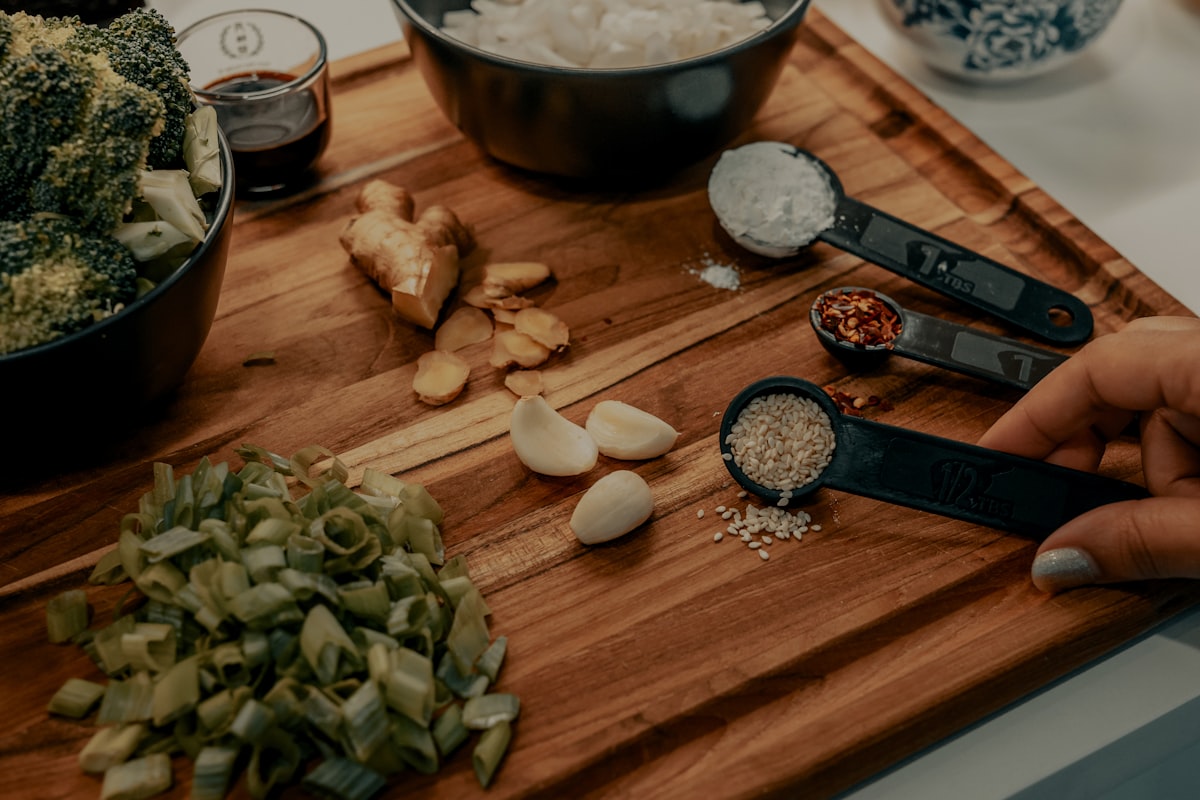
Steaming for Maximum Nutrition
Explore how proper steam control preserves heat-sensitive vitamins while creating tender, flavorful vegetables with minimal water contact.
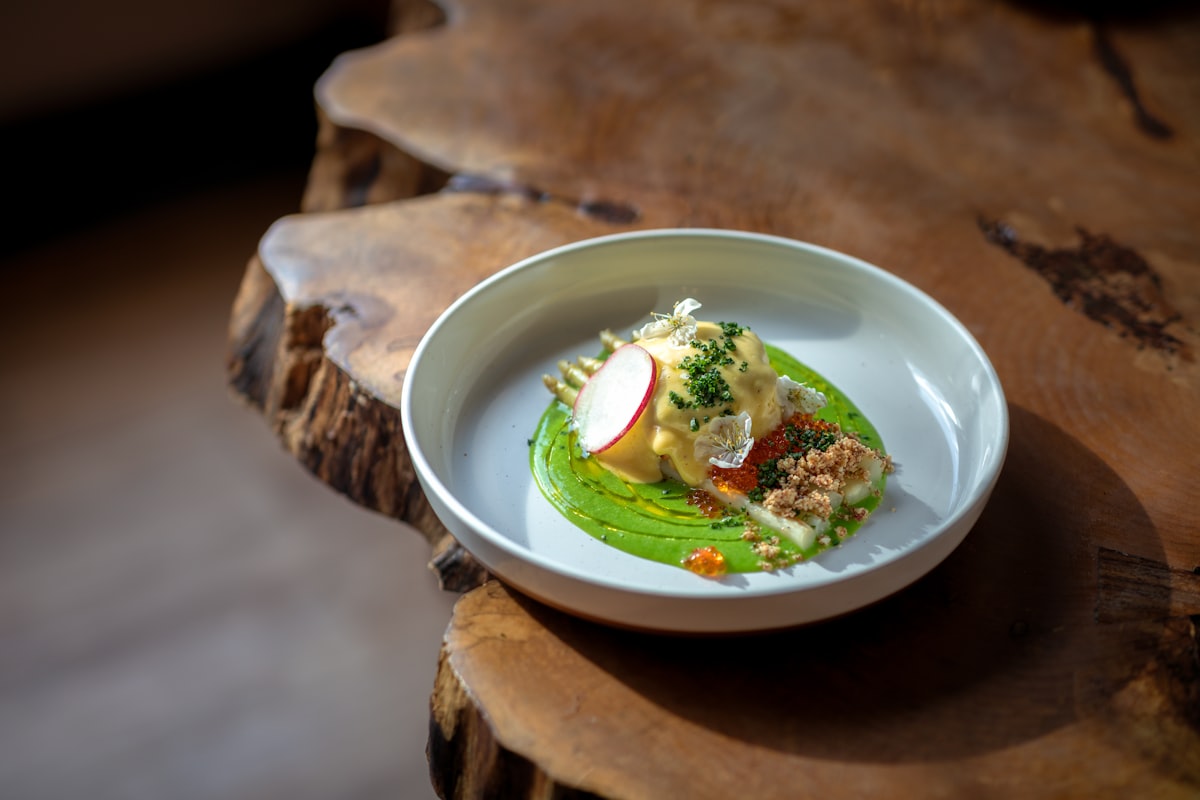
Low-Temperature Roasting
Discover sous-vide and slow-roasting methods that gently cook proteins while maintaining amino acid integrity and tender texture throughout.
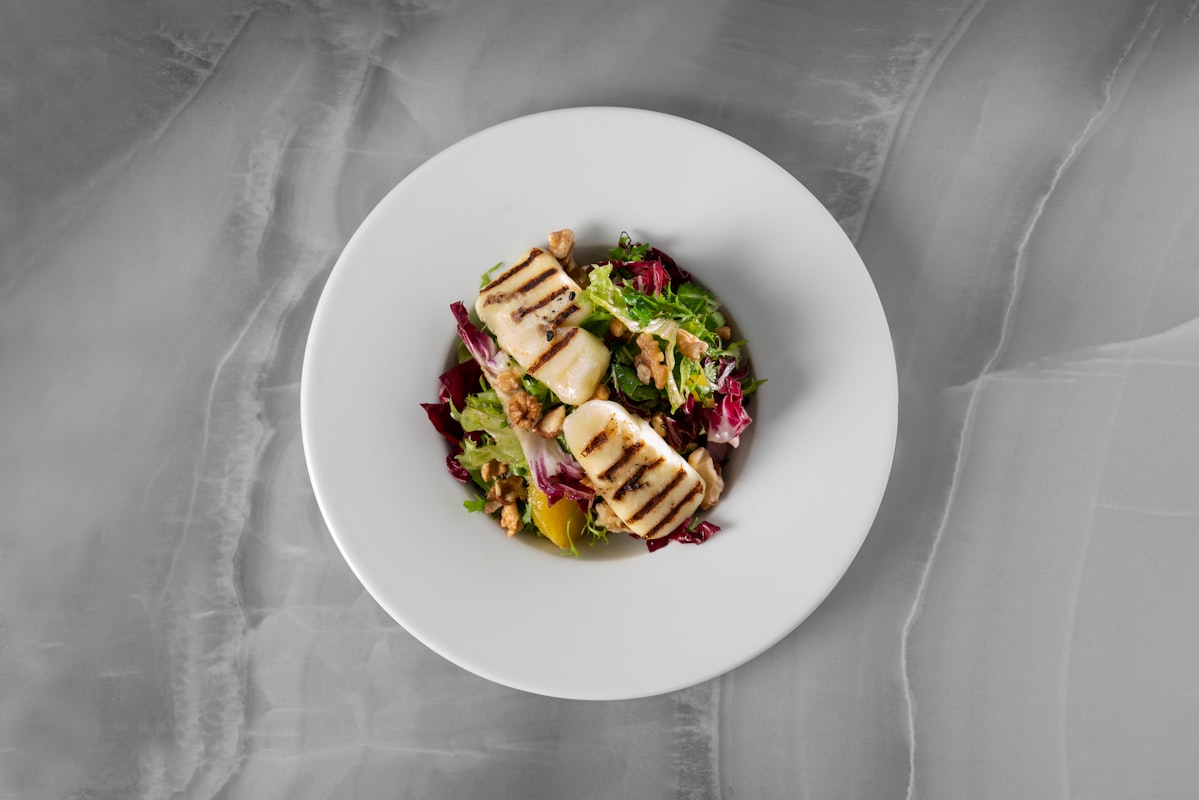
Fermentation Fundamentals
Learn traditional fermentation techniques that enhance nutrient bioavailability, create beneficial microorganisms, and develop complex flavors naturally.
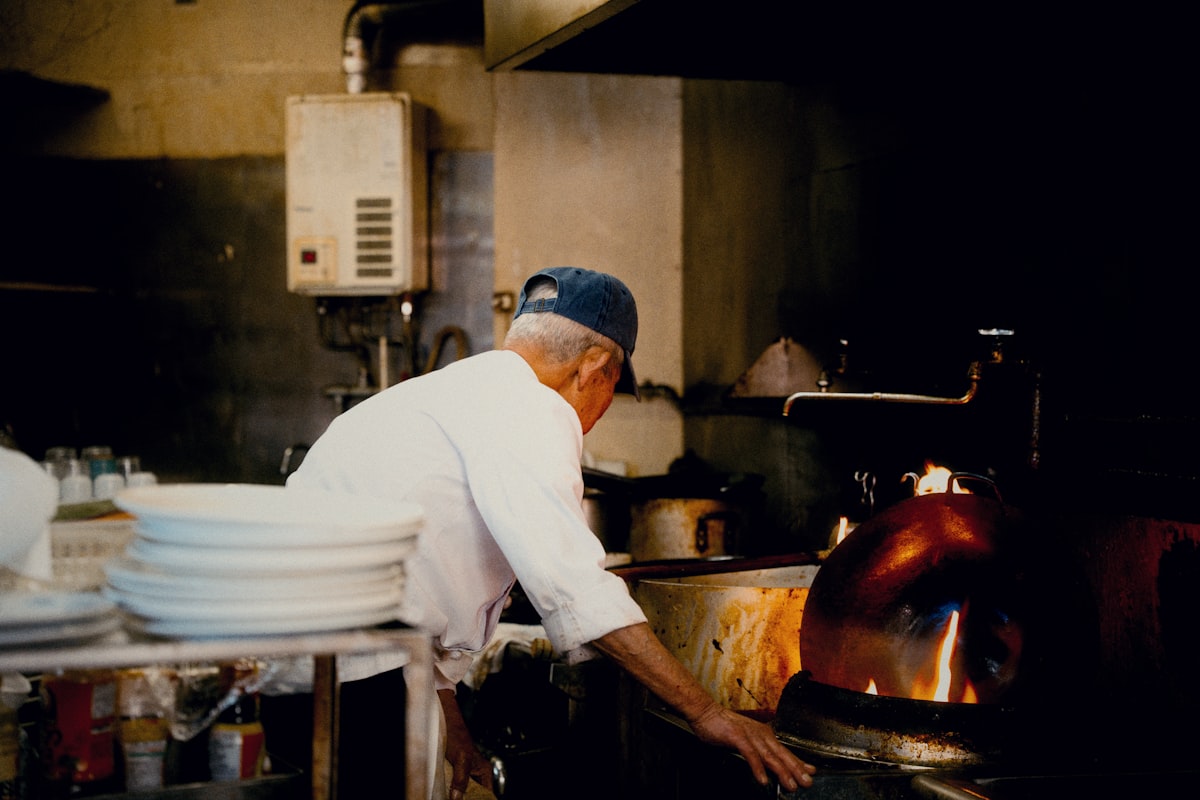
High-Powered Blending
Master blending techniques that break down cell walls for superior nutrient absorption while creating smooth, delicious textures in soups and sauces.
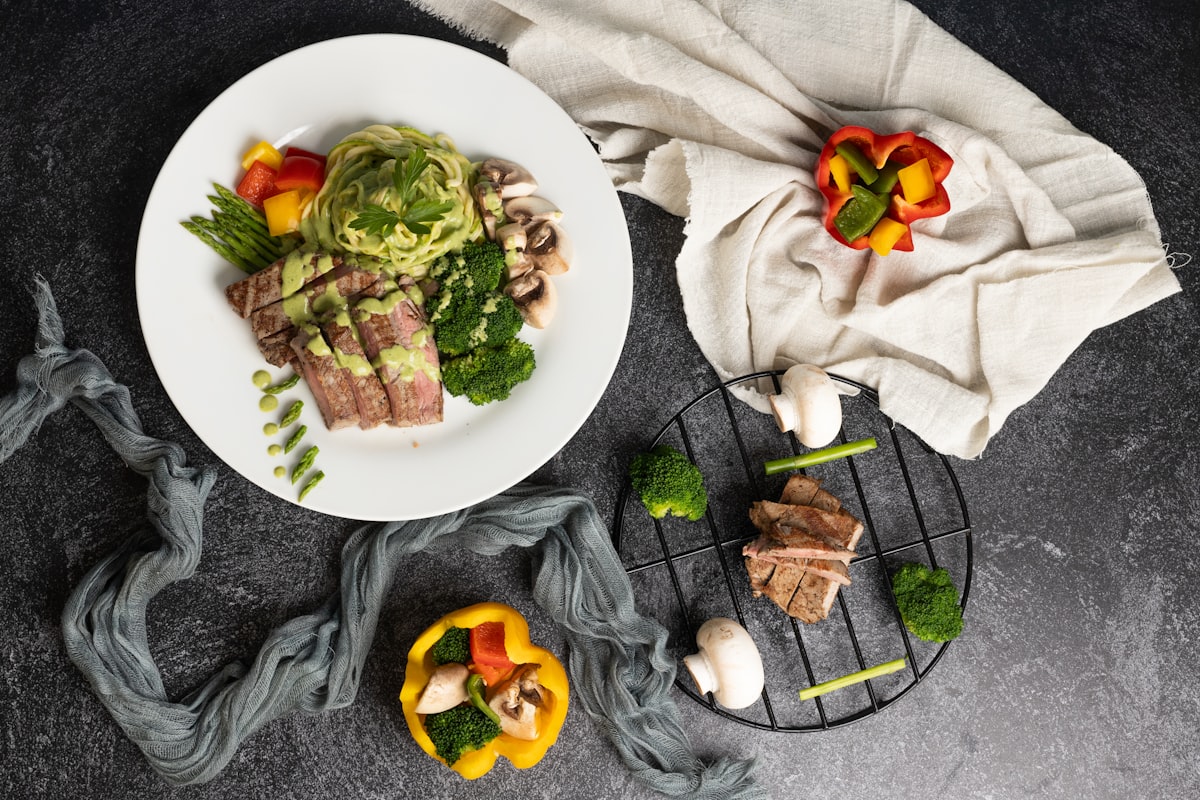
High-Heat Stir-Frying
Perfect the art of rapid cooking that preserves crisp texture and vibrant colors while activating beneficial compounds in vegetables and aromatics.
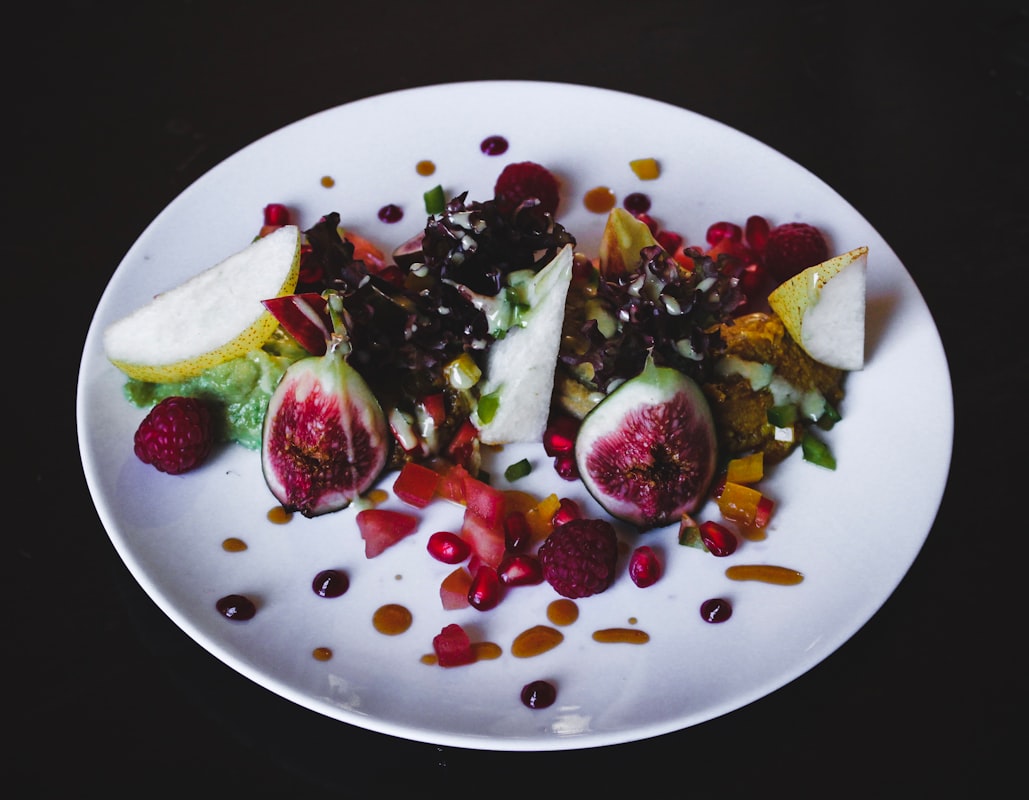
Raw and Sprouted Foods
Understand how to prepare raw dishes and sprouted ingredients that maximize enzyme content and nutrient density for optimal digestive benefits.
Cooking Methods Comparison
| Cooking Method | Temperature Range | Nutrient Preservation | Best For | Key Benefit |
|---|---|---|---|---|
| Steaming | 100°C (water steam) | Excellent (85-95%) | Vegetables, fish, rice | Minimal nutrient leaching |
| Poaching | 160-180°C | Very Good (75-85%) | Proteins, eggs, delicate items | Gentle, preserves structure |
| Low-Temp Roasting | 65-80°C | Excellent (80-90%) | Premium proteins | Perfect precision, amino acid retention |
| Standard Roasting | 190-220°C | Good (65-75%) | Root vegetables, whole proteins | Browning reactions, complex flavors |
| Stir-Frying | 180-200°C (high) | Good (70-80%) | Vegetables, quick proteins | Preserves crunch, rapid cooking |
| Fermentation | 18-30°C (ambient) | Excellent (90-100%) | Vegetables, grains, legumes | Increased bioavailability, probiotics |
Each cooking method excels in different situations. The master class teaches you to select the optimal technique based on your ingredients, desired outcomes, and nutritional priorities. Mastering this balance is what separates competent cooks from culinary experts.
Frequently Asked Questions
What is the difference between steaming and boiling?
Steaming cooks food using hot vapor, keeping ingredients above boiling water without direct contact. Boiling submerges food in water. Steaming preserves 85-95% of heat-sensitive nutrients, while boiling causes 20-40% nutrient loss through leaching. Steaming is superior for vegetables, leafy greens, and delicate proteins when nutrient retention is the priority.
At what temperature do vitamins start degrading?
Water-soluble vitamins (B-complex, C) begin degrading around 60-75°C, with significant loss accelerating above 100°C. Fat-soluble vitamins (A, D, E, K) are more heat-stable and tolerate temperatures up to 120°C with minimal loss. Minerals remain stable throughout cooking. The master class teaches temperature ranges for each food type to minimize vitamin loss while achieving proper cooking.
Is low-temperature cooking safe for all foods?
Low-temperature cooking (sous-vide, 63-80°C) is safe for meats and eggs when precise timing guidelines are followed, as pasteurization occurs at specific temperature-time combinations. For plant-based foods, lower temperatures are inherently safe. The master class covers food safety protocols for every technique, including proper storage and cooking duration requirements.
Can I use these techniques for meal planning?
Absolutely. Understanding cooking techniques is the foundation of effective meal planning. Different techniques suit different foods and nutritional goals. The master class includes meal planning modules that show how to combine techniques throughout the week to maintain variety, maximize nutrition, and ensure consistent food quality across your home kitchen.
Do I need special equipment to master these techniques?
Many techniques require only basic equipment: pots, pans, thermometer, and a blender. Advanced techniques like sous-vide do benefit from specialized equipment, but the master class covers both traditional and modern approaches. You'll learn which equipment genuinely improves outcomes versus marketing hype, and how to adapt techniques to your current kitchen setup.
How long does it take to master these techniques?
Basic competency in core techniques develops over 4-6 weeks of consistent practice. True mastery—applying techniques intuitively across ingredients and situations—develops over months. The structured curriculum accelerates learning through progressively complex applications. Most students report noticeable improvements in food quality within weeks and significant confidence gains within three months.
Success Stories from Our Students
The master class completely changed how I approach cooking. I used to just follow recipes, but now I understand the science behind every step. My family notices the difference in taste and I feel confident that the food I'm preparing is actually preserving nutrients instead of destroying them. The steaming section alone was worth it.
Elena Popescu
Brașov
I've been cooking for years, but this program revealed gaps in my knowledge. The temperature control section was eye-opening—I never realized how precisely temperature affects nutrients. Now I meal prep with actual purpose instead of just habit. The comparison tables made it so easy to choose the right technique for each food.
Ionuț Stanescu
Bucharest
What impressed me most was how the master class connected technique to actual outcomes. The fermentation section taught me not just how to do it, but why each step matters. I've expanded my cooking repertoire significantly and genuinely enjoy the learning process. The five-stage structure makes it impossible to get lost.
Cristina Borza
Cluj-Napoca
Ready to Transform Your Kitchen Skills?
Join the comprehensive master class and master nutritious cooking techniques that will elevate every meal you prepare. Access structured lessons, detailed guides, and proven strategies for becoming a confident, knowledgeable cook.
Additional Resources and Articles
Nutrient Behavior Guide
Deep dive into how specific nutrients respond to different cooking methods, temperatures, and times. Understand which vitamins are most vulnerable and how to protect them.
Learn more →What Our Clients Say
Join thousands of people who've transformed their nutrition and wellness journey with Wellnessmealprep.
"Wellnessmealprep completely changed how I approach nutrition. The guides are practical, evidence-based, and easy to follow. I've never felt better!"
Sarah Anderson
Fitness Enthusiast
"As a busy professional, I needed meal prep strategies that actually work. This platform delivered exactly what I was looking for. Highly recommended!"
Marcus Chen
Corporate Executive
"The nutrient behavior guide helped me understand why my meals weren't giving me the results I expected. Game-changer for sure!"
Emily Johnson
Health Coach
Ready to Transform Your Wellness?
Start your journey with Wellnessmealprep today and unlock the secrets to sustainable, nutritious meal planning.
Frequently Asked Questions
Find answers to common questions about Wellnessmealprep services and resources.
How do I access the meal prep guides?
All guides are available through your account dashboard. You can access them anytime, anywhere, on any device. Premium members get exclusive advanced guides and personalized recommendations.
Are the meal plans customizable?
Absolutely! Our platform allows you to customize meals based on dietary restrictions, allergies, preferences, and fitness goals. You can modify ingredients, portions, and cooking methods to suit your needs.
Do you provide shopping lists?
Yes! Each meal plan comes with a detailed, organized shopping list that you can filter by grocery store aisle. You can also export it to your phone or print it out for convenience.
What if I have dietary restrictions?
We support multiple dietary approaches including vegan, keto, paleo, gluten-free, dairy-free, and more. Our filters let you select any combination of restrictions, and all recipes are labeled accordingly.
Is customer support available?
We offer 24/7 customer support via email and live chat. Our wellness experts are here to answer questions about nutrition, meal prep, and how to get the most out of your membership.